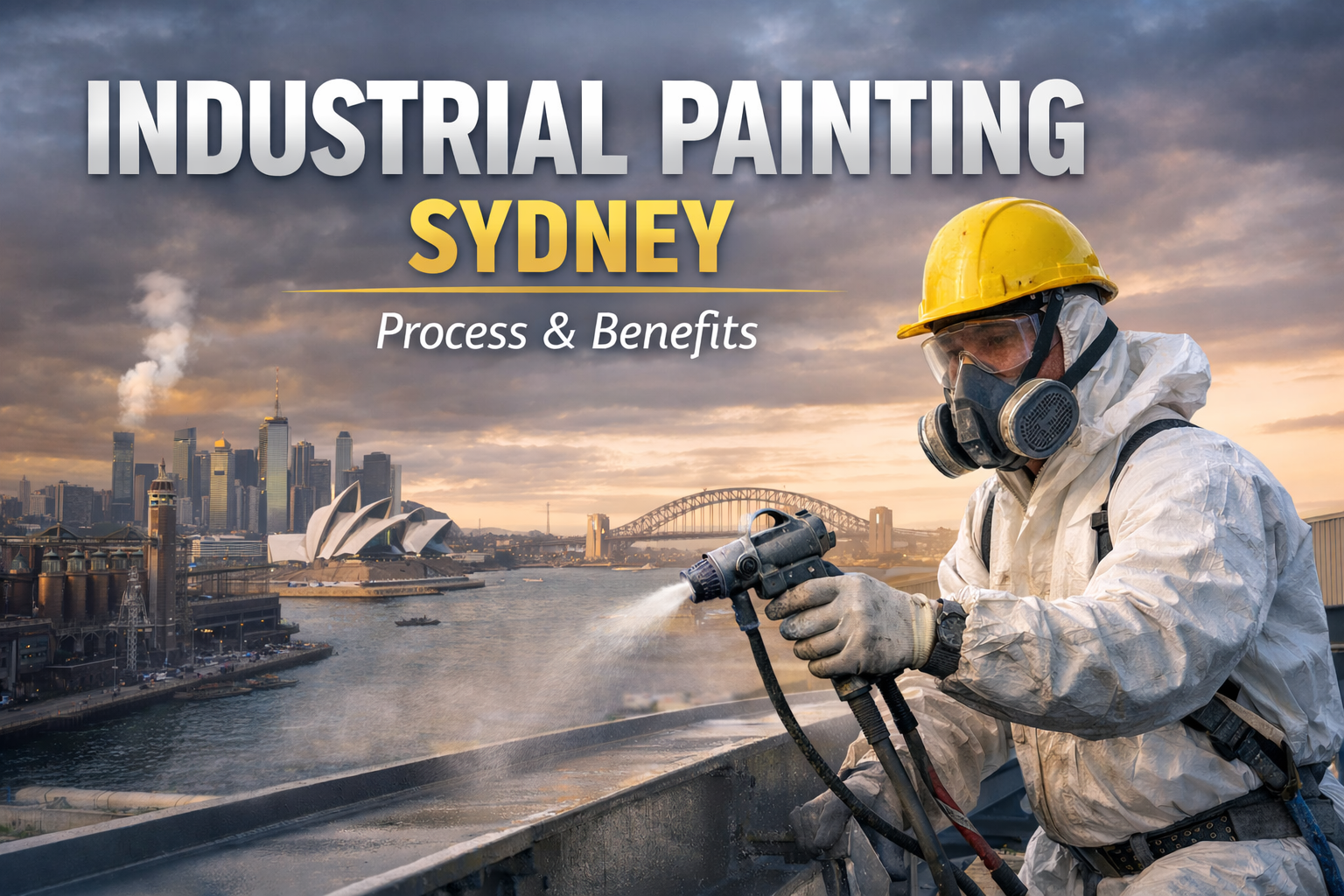
Industrial painting protects factories, warehouses and infrastructure from corrosion, weather damage and chemical exposure. In Sydney’s industrial environments, protective coating systems are essential for maintaining structural integrity, improving safety and extending the lifespan of commercial assets.
Industrial painting involves specialised preparation methods, high performance coatings and strict quality control. These coatings form a durable barrier that prevents deterioration caused by moisture, chemicals and operational wear.
For businesses operating manufacturing plants, distribution centres and processing facilities, industrial painting is a critical part of long term asset protection and facility maintenance.
Horizon Coatings provides industrial and commercial coating services across Australia, helping businesses protect infrastructure and maintain operational efficiency. Learn more about our services.
What Is Industrial Painting?
Industrial painting is the application of specialised protective coatings to infrastructure, equipment and facilities in industrial environments.
These coatings are designed to protect surfaces from corrosion, chemical exposure, moisture, abrasion and weather damage.
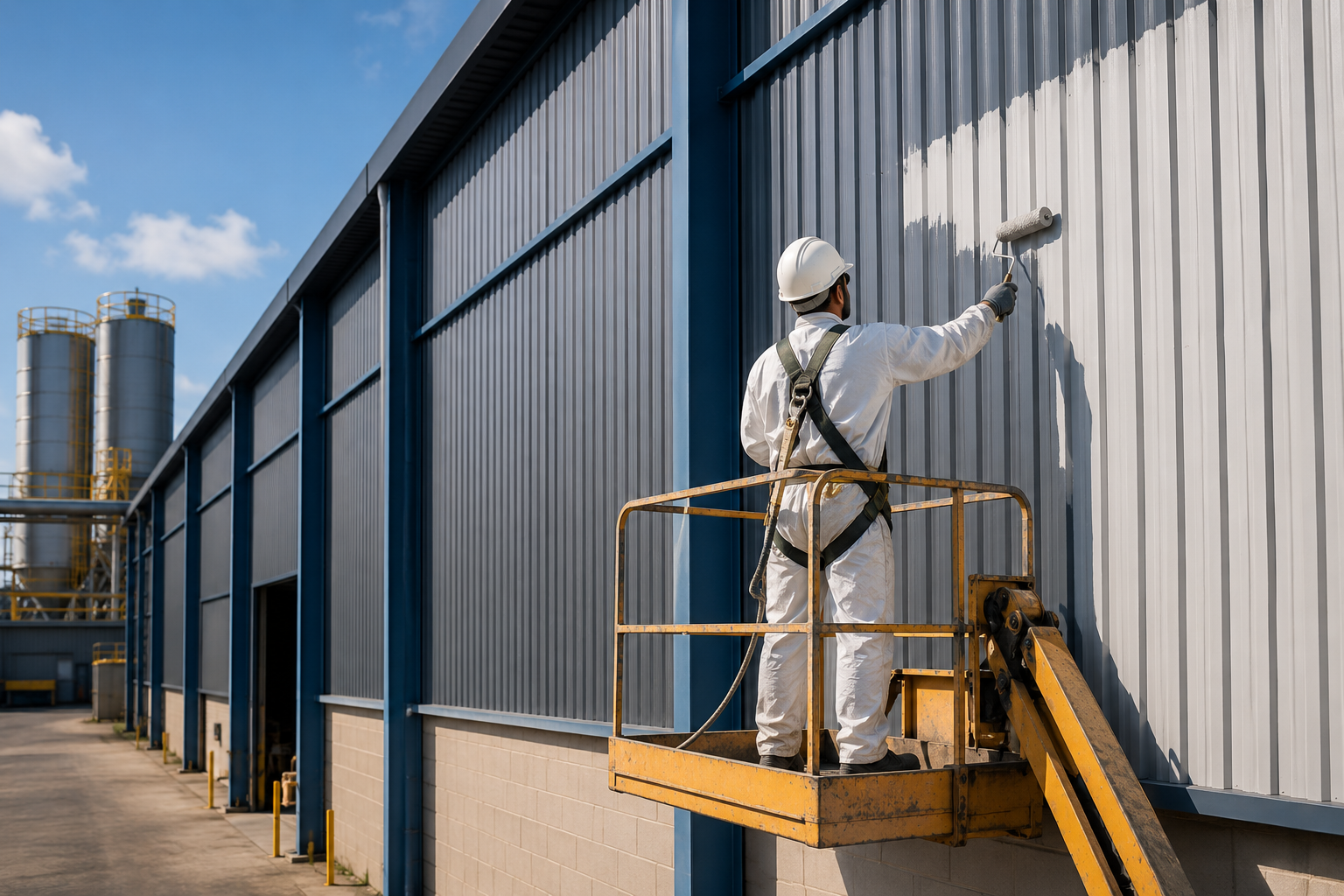
Industrial painting is commonly used on structural steel, warehouses, factories, machinery and large scale commercial facilities. Unlike standard building painting, industrial coatings are engineered to perform in demanding operating environments and must meet strict durability and safety requirements.
Because industrial assets are expensive to repair or replace, protective coatings play a major role in long term infrastructure protection.
Why Industrial Painting Is Important in Sydney
Sydney has one of Australia’s largest industrial sectors, with major manufacturing, logistics and infrastructure hubs located.
Facilities in these environments are exposed to constant operational stress, moisture, chemicals and heavy equipment traffic. Without proper coating systems, structural materials can deteriorate rapidly.
Industrial painting helps Sydney businesses prevent corrosion, reduce maintenance costs and maintain safe working environments for employees.
Industrial Painting Process
Successful industrial painting projects follow a structured process that ensures coating systems perform effectively and last for many years.
Surface Inspection and Assessment
Every project begins with a detailed inspection of the surface to determine the condition of the substrate.
Industrial painting contractors assess corrosion levels, existing coatings, contamination and environmental exposure. This assessment determines the correct coating system and preparation method required for the structure.
Choosing the correct system is critical because different industrial environments require different types of protection.
Surface Preparation
Surface preparation is the most important stage of industrial painting.
Before coatings are applied, contaminants such as rust, grease, dust and old coatings must be removed. This allows the protective coating to bond properly to the surface.
Common preparation methods include abrasive blasting, mechanical cleaning and chemical surface preparation.
High quality preparation ensures coating systems achieve maximum durability and performance.
Primer Application
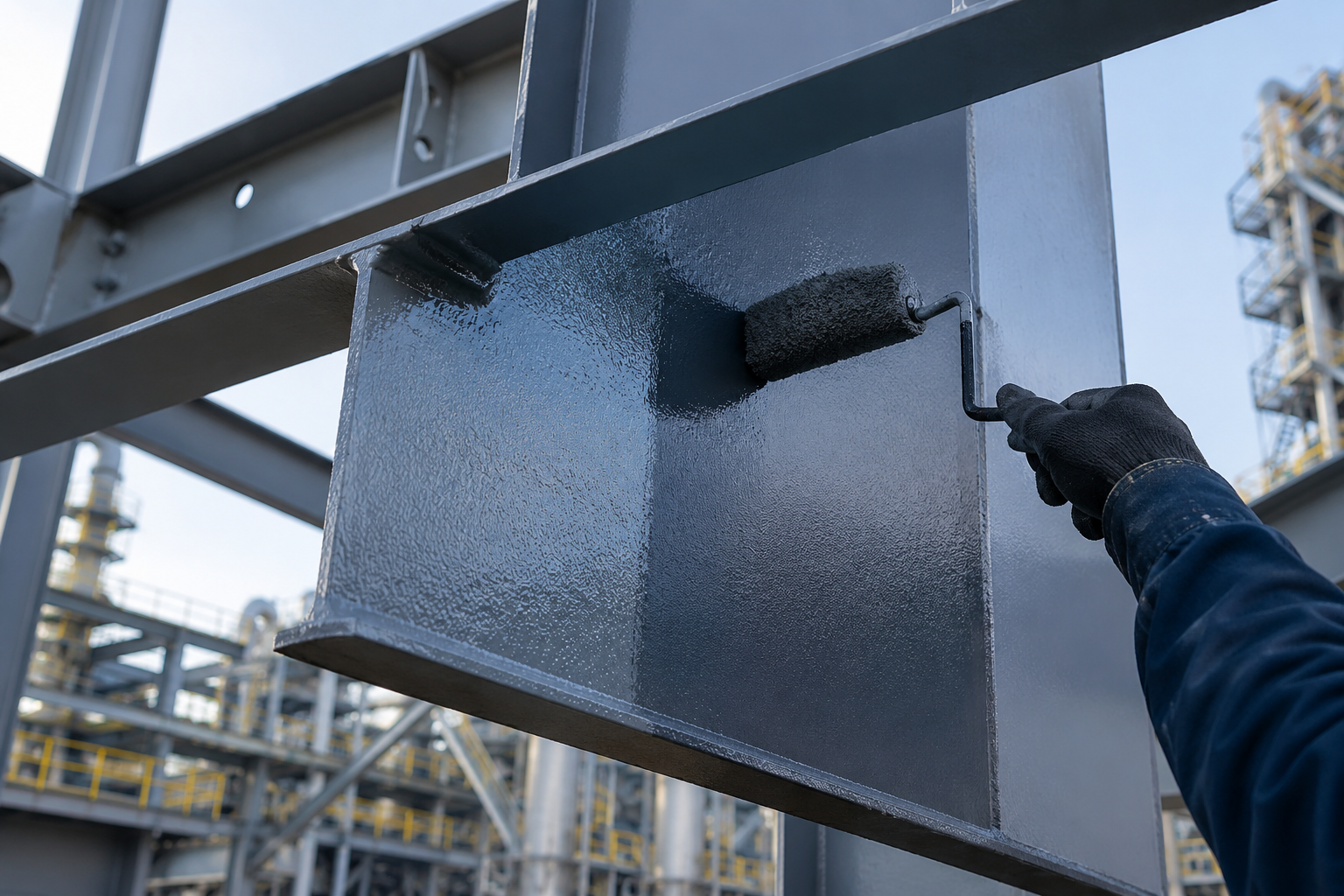
After preparation, a primer coat is applied to improve adhesion and provide an additional layer of corrosion protection.
Primers create a bonding layer between the substrate and the protective coating system. Many industrial projects use epoxy primers because they provide strong adhesion and chemical resistance.
More information about epoxy coating systems can be found here:
https://horizoncoatings.com.au/epoxy-coatings/
Protective Coating Application
Once the primer has cured, the protective coating system is applied.
Industrial coatings may include epoxy coatings, polyurethane coatings or zinc rich systems depending on the environment and exposure conditions.
Application methods usually involve airless spray equipment to ensure consistent coverage and correct film thickness.
Correct application techniques are essential to achieve long term protection.
Inspection and Quality Control
Industrial painting projects include strict quality control procedures to verify coating performance.
Inspectors measure coating thickness, curing conditions and adhesion to ensure the system meets manufacturer specifications.
These inspections ensure the coating system delivers reliable protection for many years.
Types of Industrial Coating Systems
Industrial environments require different coating systems depending on the operating conditions and exposure levels.
Epoxy Coatings
Epoxy coatings provide excellent chemical resistance and adhesion. They are widely used in factories, warehouses and processing plants where surfaces are exposed to heavy use and industrial chemicals.
Polyurethane Coatings
Polyurethane coatings are commonly used as topcoats because they provide strong UV resistance and long lasting colour retention.
Zinc Rich Coatings
Zinc rich primers are designed to protect steel structures from corrosion. These coatings are frequently used on infrastructure, structural steel and industrial equipment.
Waterproof Protective Coatings
Facilities exposed to moisture or water infiltration require waterproof coating systems to prevent structural damage.
Check more information about waterproof protective coatings.
Benefits of Industrial Painting
Industrial painting offers several important benefits for businesses operating large commercial and industrial facilities.
Corrosion Protection
Protective coatings create a barrier that prevents moisture and oxygen from reaching metal surfaces. This significantly reduces corrosion and structural damage.
Lower Maintenance Costs
Properly applied coating systems reduce the need for frequent repairs and repainting. This lowers long term maintenance costs for industrial facilities.
Improved Workplace Safety
Industrial coatings help maintain safe working environments by protecting structures from deterioration. Some coating systems also improve surface visibility and slip resistance.
Extended Asset Lifespan
Infrastructure such as warehouses, factories and steel structures represents a major financial investment. Protective coatings extend the service life of these assets and delay costly replacements.
Professional Facility Appearance
Well maintained industrial facilities present a more professional image to clients, contractors and regulatory authorities.
Businesses can explore additional commercial painting services.
Common Applications of Industrial Painting
Industrial painting is used across many industries throughout Sydney.
Factories rely on protective coatings to prevent corrosion on structural steel and machinery. Warehouses require durable coatings that withstand constant forklift traffic and operational wear.
Infrastructure projects such as bridges, pipelines and steel structures require specialised corrosion protection systems.
Food processing facilities require coatings that resist chemical cleaning agents while maintaining strict hygiene standards.
Industrial equipment and plant infrastructure also rely on protective coatings to prevent wear and environmental damage.
Check examples of large commercial painting projects.
Signs Your Industrial Facility May Need Repainting
Many industrial facilities require repainting after years of exposure to harsh operating conditions.
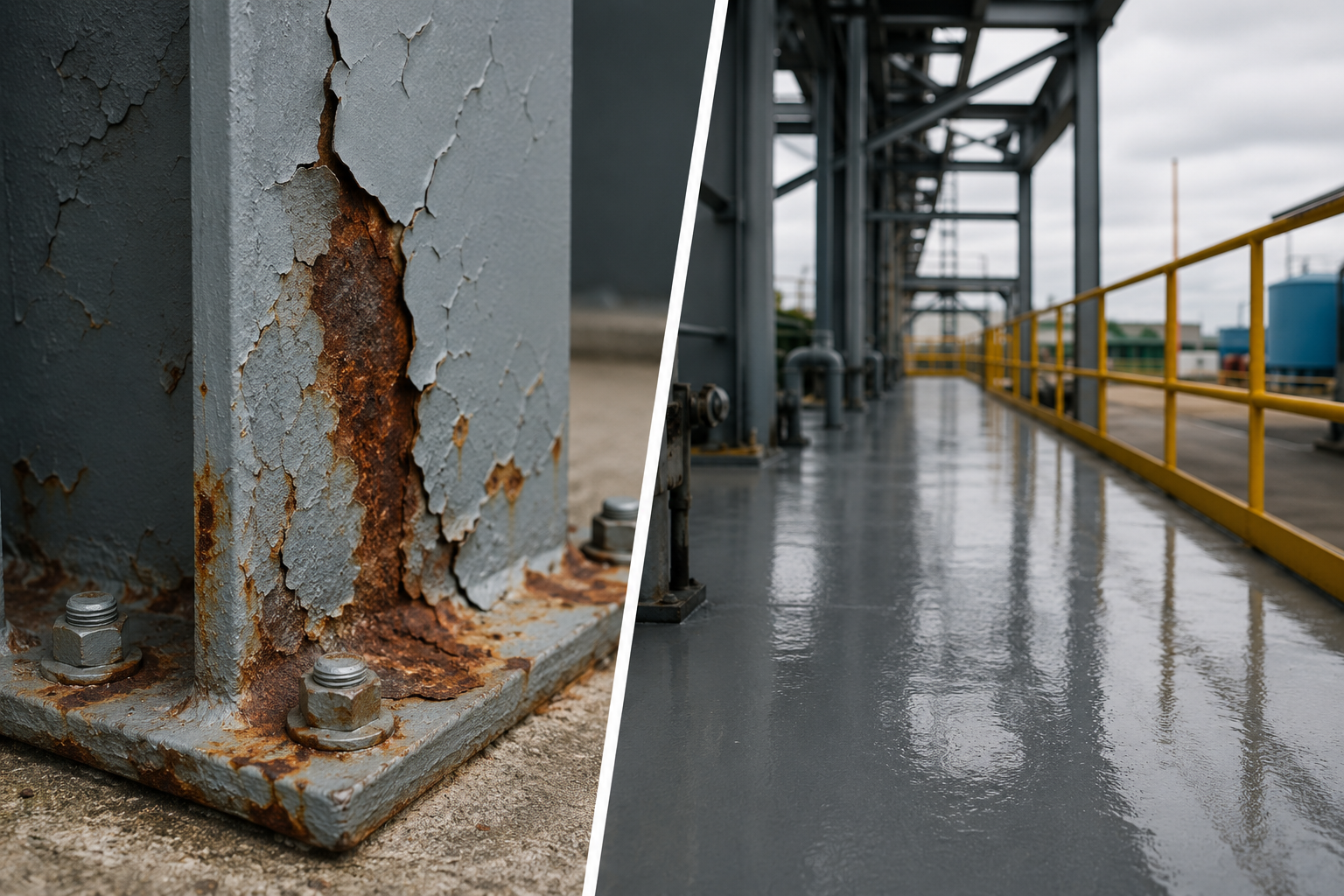
Signs that a facility may need industrial repainting include visible rust on steel structures, peeling or flaking coatings, fading paint, moisture damage and surface corrosion.
If these issues are not addressed early, corrosion can spread and lead to expensive structural repairs.
Industrial coating assessments help identify problems early and allow businesses to implement protective solutions before major damage occurs.
Industrial Coatings and Safety Compliance
Industrial coating systems must comply with strict safety standards to protect workers and infrastructure.
Contractors follow safety procedures and environmental regulations when applying coatings and handling industrial materials.
Guidelines for safe chemical handling and workplace safety are provided by organisations such as Safe Work Australia.
Compliance with these standards ensures industrial coating projects are completed safely and responsibly.
Why Businesses Choose Professional Industrial Painters
Industrial painting requires specialised equipment, experienced technicians and knowledge of protective coating systems.
Professional industrial painters understand how different coatings perform in specific environments and can recommend the best system for each facility.
They also follow strict preparation procedures and quality control processes to ensure coating systems deliver long term protection.
Working with experienced contractors helps businesses avoid premature coating failures and costly maintenance issues.
Learn more about Horizon Coatings and our experience.
Frequently Asked Questions
What is industrial painting?
Industrial painting is the process of applying specialised protective coatings to factories, warehouses, steel structures and equipment to prevent corrosion, chemical damage and structural deterioration.
How long do industrial coatings last?
Industrial coating systems can last between 10 and 25 years depending on the environment, surface preparation quality and type of coating used.
What industries require industrial painting?
Manufacturing plants, warehouses, infrastructure projects, logistics centres, food processing facilities and large commercial buildings commonly require industrial coatings.
Why is surface preparation important in industrial painting?
Surface preparation removes contaminants and corrosion so coatings can bond properly to the surface. Without proper preparation, coatings may fail prematurely.
What types of coatings are used in industrial painting?
Common industrial coatings include epoxy coatings, polyurethane coatings, zinc rich primers and specialised waterproof protective coatings.
How often should industrial facilities be repainted?
Most facilities require repainting every 10 to 20 years depending on exposure conditions and operational wear.
Can industrial painting be completed during operations?
Many projects can be staged to minimise operational disruption. Experienced contractors plan work around facility schedules to reduce downtime.
What is the difference between commercial and industrial painting?
Commercial painting focuses on offices and business buildings, while industrial painting protects heavy infrastructure, factories and manufacturing facilities.
How do I choose an industrial painting contractor?
Choose contractors with experience in industrial environments, strong safety procedures and proven expertise with protective coating systems.
Industrial Painting Services in Sydney
Industrial painting is essential for protecting commercial infrastructure and ensuring long term operational reliability.
If your facility requires protective coatings, structural steel painting or industrial repainting, Horizon Coatings provides expert coating solutions for large scale projects.
Our experienced team works with factories, warehouses and industrial facilities to deliver durable coating systems designed for demanding environments.
Speak with our team today to discuss your project.